A Pantry Shelf That Makes Dinner Easier
Organize one shelf around the ingredients you actually combine on busy evenings, so a simple dinner starts with what is visible rather than what is forgotten.
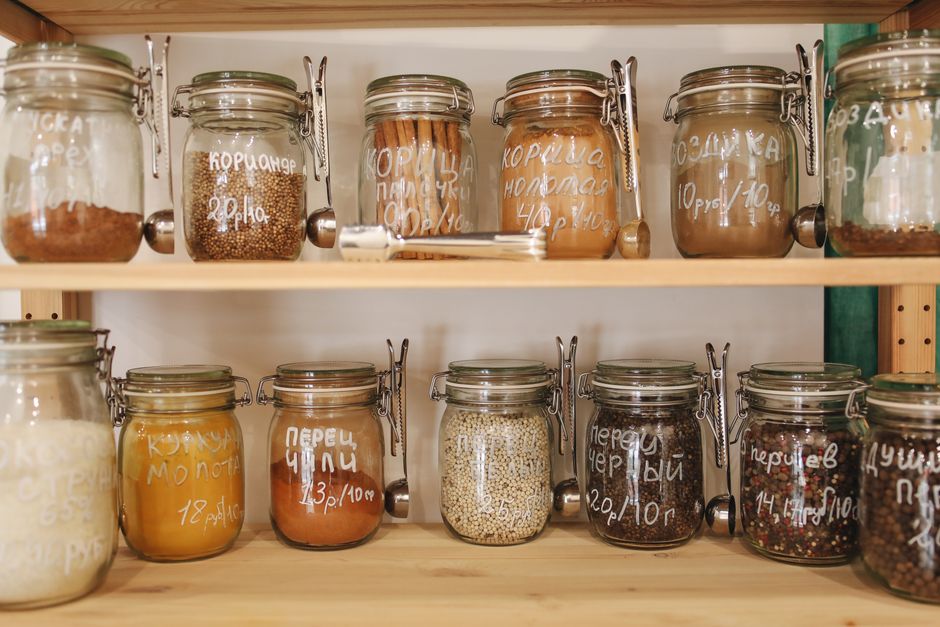
A pantry does not need to be large to be useful. The most valuable part may be a single shelf that contains the ingredients you reach for when the day has run long and dinner still needs to happen.
Instead of organizing every dry good by category, try building one shelf around combinations. The aim is to look at it and see several meals, not a collection of containers.
Begin with the dinners you already make
Think about four or five meals that appear repeatedly in your week: pasta with something green, lentils with rice, soup and toast, couscous with roasted vegetables, or noodles with a quick sauce. Write down the shelf-stable ingredients common to those meals.
Those staples form the core. They might include pasta, rice, lentils, tinned tomatoes, beans, stock, breadcrumbs, oats, nuts, or a few sauces. Keep the list short enough that each item earns its space.
Put finishing ingredients beside the basics
Dinner often feels repetitive not because the base is boring, but because the last ten percent is missing. A small jar of toasted seeds, capers, dried herbs, chilli flakes, good vinegar, or crisp breadcrumbs can change a familiar bowl quickly.
Store a few of these finishing ingredients on the same shelf as the main staples. When everything needed to add contrast is visible, it is easier to improvise without opening six cupboards.
Use clear containers only when they help
Decanting every package can create extra work. Clear jars are useful for ingredients bought in loose bags, things that spill easily, or staples whose quantity you need to judge at a glance. Keep labelled packets when they are already practical.
Whatever container you use, put the oldest ingredient in front. This simple rotation matters more than matching jars.
Leave a little empty space
A shelf packed edge to edge becomes difficult to read. Leave enough room to move one jar without taking out three others. Empty space also gives temporary ingredients somewhere to land after a grocery shop.
Once a month, scan for anything nearing its best-before date and plan one meal around it. This turns maintenance into cooking rather than administration.
Keep the shelf close to the way you cook
The best pantry system is not the most photogenic one. It is the arrangement that reflects your actual evenings. If you use chickpeas twice a week, they belong at eye level. If baking happens once a month, flour can live somewhere less convenient.
A useful shelf quietly shortens the distance between “there is nothing for dinner” and a pot on the stove. By organizing for meals rather than categories alone, the pantry becomes a working part of the kitchen instead of storage you have to search.